

Counterfeiters in 2026 aren’t amateurs working out of dimly lit basements. Hologram Stickers fast, tech-savvy, and frighteningly good at copying anything that looks simple. Which brings us to the big question brands are quietly asking behind closed doors: are hologram stickers alone enough to stop counterfeiting anymore?
Hologram stickers still play a crucial role in product authentication. They’re visible, recognizable, and immediately signal that a brand takes security seriously. Customers trust them. Inspectors look for them. Counterfeiters hate them. But here’s the uncomfortable truth: basic hologram stickers are no longer the final boss. They’re more like the first checkpoint.
The Reality of Counterfeiting in 2026
Today’s counterfeit networks can replicate surface-level visuals with alarming accuracy. A standard hologram without layered security features can be copied, peeled, or reused if it isn’t designed smartly. That doesn’t make holograms obsolete. It means the strategy around them needs to evolve.
The real power lies in how hologram stickers are engineered and integrated. Modern holographic solutions now combine multiple security layers: microtext that can’t be read by the naked eye, serialized numbering for traceability, QR codes linked to verification systems, tamper-evident patterns that self-destruct on removal, and optical effects that change under different angles or lighting. These features make duplication expensive, time-consuming, and risky for counterfeiters.
Context plays a critical role here. A hologram sticker on its own offers value, but when combined with smart packaging, secure supply chain practices, and digital verification tools, its impact multiplies significantly. Seen this way, it becomes part of a broader security ecosystem, working in sync with other safeguards rather than acting as a one-off solution built for modern, high-risk markets.
Why Counterfeiters Are Getting Smarter
Another overlooked factor is how counterfeiters exploit predictability. When a brand uses the same hologram design year after year, it becomes easier to study, imitate, and eventually bypass.
Security works best when it evolves. Rotating designs, batch-specific elements, and limited-edition hologram patterns can significantly reduce the lifespan of a counterfeit operation. Even small visual changes force counterfeiters to restart their process, increasing costs and risk. Brands that treat hologram stickers as a living, evolving system, rather than a fixed label, gain a serious advantage in staying ahead of fraud.
Brands also need to consider consumer behavior. Today’s buyers are curious. They scan. They verify. They Google. Holograms that invite interaction, such as scan-to-authenticate labels, turn customers into active participants in fighting counterfeiting. That’s a powerful shift.
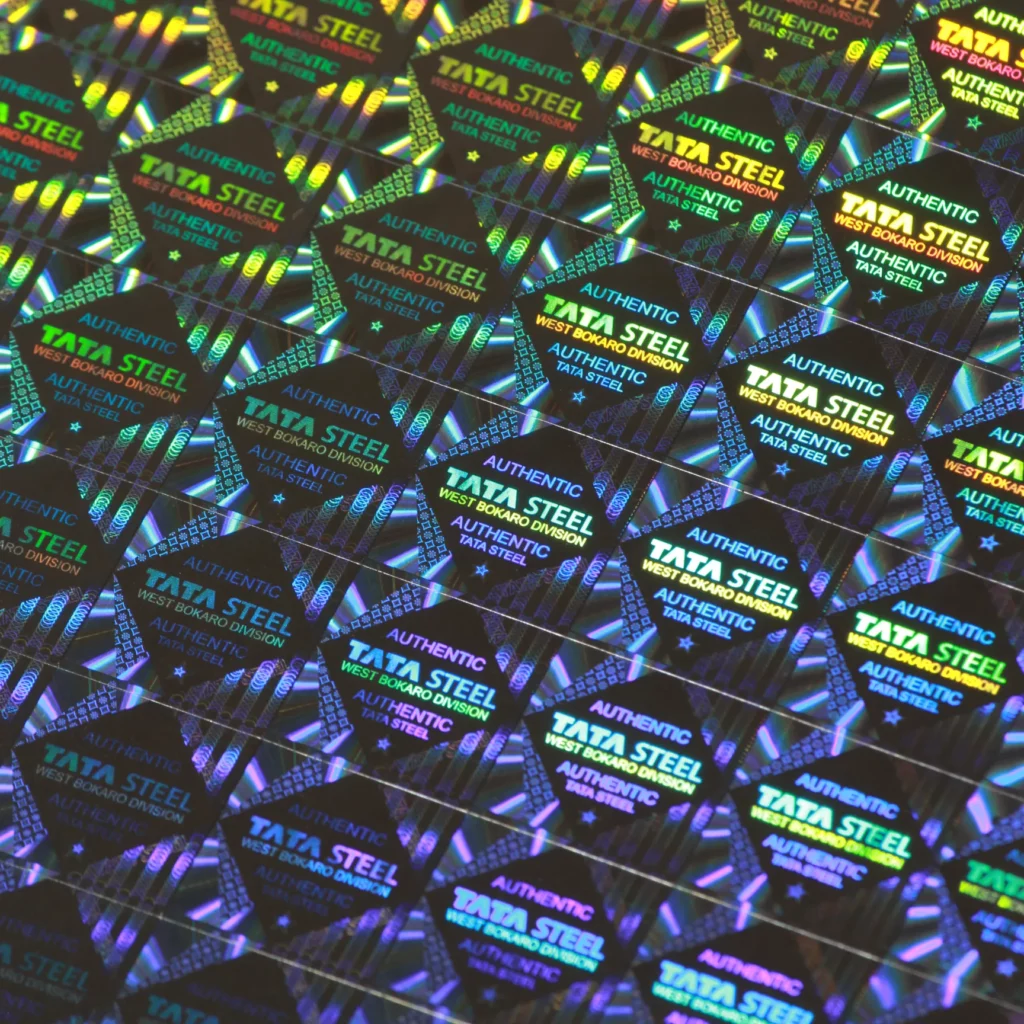
So, are hologram stickers enough in 2026?
If they’re generic, outdated, and treated as an afterthought, probably not. If they’re custom-designed, technologically advanced, and layered with smart security features, they’re still one of the strongest weapons a brand can deploy.
This is where choosing the right manufacturing partner matters. Matrix Hologram designs hologram stickers that go beyond surface shine. With advanced customization, tamper-proof features, and next-generation security integrations, Matrix helps brands stay one step ahead of counterfeiters instead of reacting after damage is done.
If protecting your brand matters, now is the time to upgrade your hologram strategy with Matrix Hologram.